



Why Rodent Activity Increases After Dark in Clermont

Most people first notice a rodent problem at night. Scratching in the ceiling, light footsteps in the wall, or movement in the attic often starts once the house goes still. Rodents thrive in the dark, and that is when they do most of their moving and feeding. By the time someone brings in Saela, the noise has usually been keeping them up after dark for a while. Their habits explain the timing.
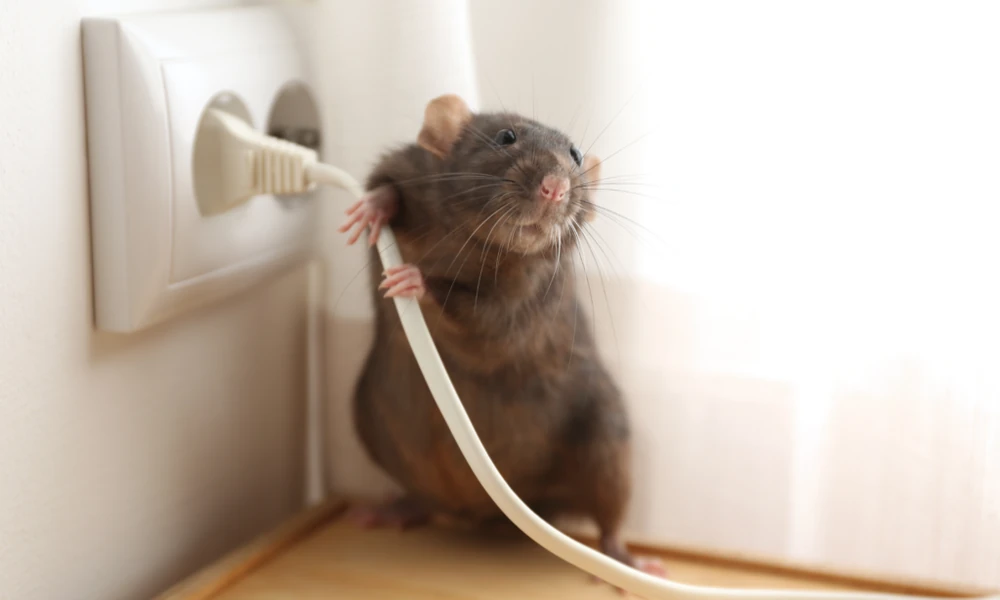
Rats and mice are nocturnal. They rest in a hidden spot during the day and come out at night to look for food and water. The dark hours give them cover from people and from the animals that hunt them.
Why Night Suits Rodents
Rodents rely on smell, touch, and their whiskers more than sight. They handle darkness easily, and it keeps them away from the things that hunt them. In Clermont, roof rats come out after dusk and move along fences, wires, and branches to reach food. By staying active at night, they avoid people and the daytime heat at the same time. They move most during the evening and the first hours of darkness. A second wave can come before dawn, which is why scratching in an attic can wake a homeowner in the early morning hours.
Why the Noise Carries at Night
The house itself makes rodents seem louder after dark. At night, with the TV off and the family asleep, the house falls silent, so small sounds in the attic or walls carry further. During a busy day, no one would hear the same scratching. This is why a problem can feel like it appeared overnight, even though the rodents may have moved around for a while. The still house does not cause the activity. It simply lets you hear it.
What the Night Sounds Mean
Different sounds point to different things. Light, fast scratching above the ceiling usually means a rodent moving across the attic or along the top of a wall. Gnawing means a rat is working on wood, wire, or plastic to widen an opening or wear down its teeth. Scurrying inside a wall often follows a set path, since rodents use the same routes night after night. Hearing these sounds in the same place each night points to a nest nearby. As the sounds grow louder and more frequent, you probably have more rodents. One night of noise can mean just one animal passing through. A pattern over several nights usually means they have moved in.
Rats or Mice Overhead
The sound can hint at what is up there. Roof rats are larger, so you hear their heavier movement across beams and the tops of walls. Mice move lighter and quicker, with faster, fainter scratching. Both stay active at night, and both leave droppings and gnaw marks. Telling them apart matters less than acting early, since the same steps keep either one out.
Why It Can Seem Worse in Cooler Months
Rodents stay active at night all year, but homeowners often notice them more in the fall and winter. As the nights cool, roof rats look for a warm, dry place and move toward attics and wall spaces. A house that had no noise in the summer can suddenly have it once the weather turns. Clermont’s mild winters still give rodents plenty of active nights. Check the attic and seal the openings rodents use to get in, before a few animals become a nesting group.
What to Do When You Hear Them
Act as soon as you hear noise at night. The rodents are using a route and a nest, and you can close off both. Start by finding how they get in, since trapping alone leaves the opening for the next one. Seal the openings they use, with metal where they can chew. Remove the food and water that draw them, indoors and in the yard. Trim branches and clear clutter near the house to cut the paths they travel after dark. Set traps along the paths they use indoors to clear the ones already inside. Catching the problem at the first night sounds keeps a small number of rodents from becoming a large one.


