

6 Things Narrowing Pipes In Hard Water Desert Homes
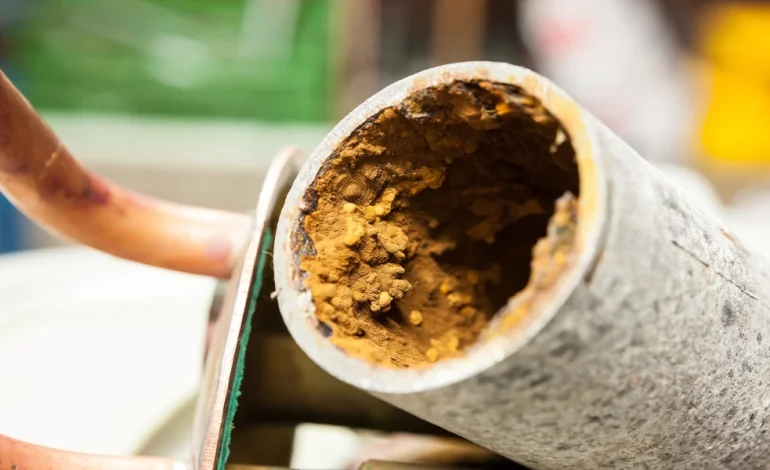

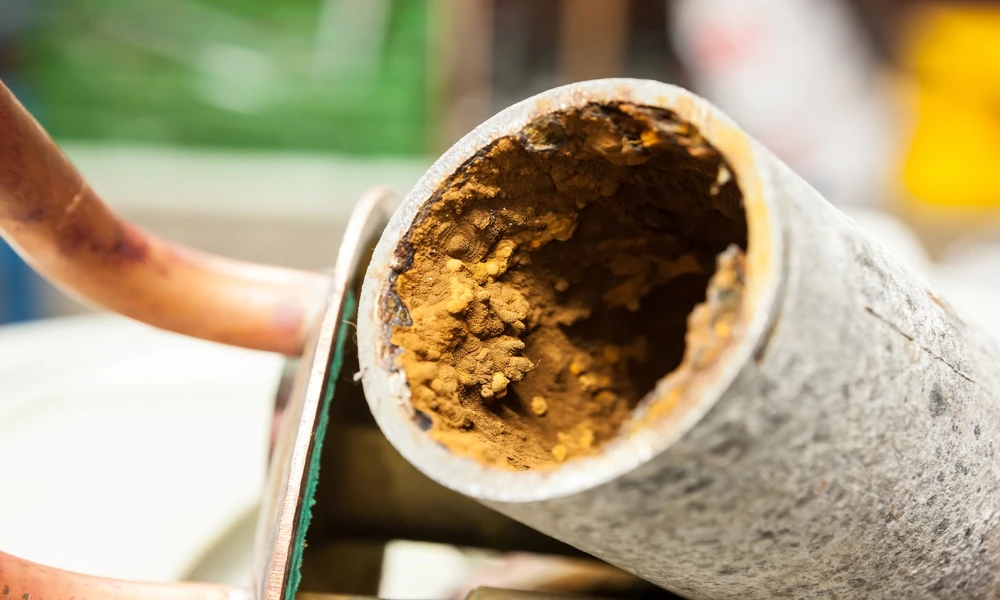
Every time Valley tap water heats up, evaporates or sits in a fixture, the dissolved calcium and magnesium it carries can stay behind as a pale, chalky crust. Inside a drain line, the crust is not smooth. It leaves a rough surface that catches whatever passes by, and each catch makes the next one easier. Hard water rarely clogs a pipe on its own, but it quietly changes how every other cause on this list behaves.
That layering is why drain cleaning in Phoenix and the surrounding cities is seldom about one dramatic event. Most slow drains come from several ingredients working together: minerals, kitchen residue, bathroom debris, roots hunting for moisture in dry caliche soil, and pipes that have been underground for decades. The six causes below are sorted by what is actually happening inside the line, with the signs that point to each and the moment a cleaning stops being enough.
Homeowners in Mesa, Scottsdale, Tempe, Gilbert and Chandler can turn to Mint Plumbing for drain cleaning in Phoenix and the wider Valley, using professional methods that clear scale, grease, hair and roots rather than just poking a hole through them. When the trouble goes beyond a clog, its General Plumbing Services (24/7) cover the larger pipe and fixture work. To request drain service, visit the Mint Plumbing website.
1. Mineral Buildup From Hard Water
Cause: Calcium and magnesium settle out as scale on pipe walls, especially at bends and joints where water slows down. Older galvanized or cast iron drain lines roughen faster because their interior surface gives scale something to grip.
Warning signs: Several fixtures drain a little slower than they used to, white crust gathers on faucet aerators and showerheads, and the change creeps along over months instead of appearing overnight.
Cleaning or repair: While scale is still a coating, mechanical scraping or water jetting can restore much of the pipe’s opening. When the metal underneath has pitted or thinned, no cleaning will fix it, and that section needs to be replaced.
2. Grease And Food Waste
Cause: Cooking fats are liquid and warm in the sink, then cool and harden inside the line. The City of Phoenix Water Services Department explains that fats, oils and grease from food preparation and dishwashing are a leading cause of sewer backups and overflows, because they solidify and cling to pipe walls. Mineral scale gives that grease extra texture to grab.
Warning signs: The kitchen sink drains slowly while the bathrooms run normally, water pools near the dishwasher discharge, and a sour smell rises from the drain.
Cleaning or repair: A cleaning can cut through a congealed run and flush it out. If grease keeps returning to the same stretch, a sag or damaged section may be holding it there, and that calls for repair.
3. Hair And Soap Scum
Cause: Hair does not dissolve, and it binds with soap residue. Hard water makes this worse because soap reacts with calcium and magnesium to form a sticky film instead of rinsing clean, which coats the trap and branch line.
Warning signs: Shower or tub water pools around your feet, the drain gurgles, and a musty smell lingers even after the bathroom has been cleaned.
Cleaning or repair: This is the classic drain cleaning job, since the clog usually sits in the trap or a short branch line and comes out completely. Hair clogs that return again and again in one fixture suggest a slope or fitting problem worth a closer look.
4. Tree Roots In Older Sewer Lines
Cause: Roots follow moisture, and a tiny leak at a joint is an invitation. A USDA Forest Service research review of tree roots and sewer systems notes that roots are reported to cause more than half of all sewer blockages, with old jointed pipes among the most vulnerable. Arizona extension horticulturists add that mature roots can reach two to three times the width of the crown, so a mesquite or palo verde across the yard can still find a clay line. Irrigated landscaping and monsoon moisture give roots even more reason to travel.
Warning signs: Several fixtures slow or gurgle at once, the lowest drain in the house backs up first, and a damp or unusually green patch shows up along the sewer path.
Cleaning or repair: Cutting roots out restores flow, but they regrow through any opening left behind. A camera inspection shows whether the pipe is merely invaded or actually cracked, and a cracked section needs repair or lining.
5. Wipes And Other Items That Should Not Be Flushed
Cause: Wipes labeled flushable do not break down like toilet paper. The EPA urges people to flush only toilet paper and to put disinfecting wipes, baby wipes and paper towels in the trash, because they can clog household plumbing and local sewer systems. Wipes also snag on rough scale or roots and trap everything behind them.
Warning signs: Toilets clog repeatedly or flush sluggishly, water backs up into a tub, and fibrous strands show up in the bowl.
Cleaning or repair: Clearing the snag is usually a straightforward cleaning. If wipes keep catching at the same location, a damaged joint or offset in the line is the likelier culprit.
6. Aging Or Misaligned Pipes
Cause: Many Valley homes from the postwar decades have clay or cast iron drain lines, and desert ground does not sit still. Caliche and expansive clay can shift, and monsoon rain can saturate soil and wash silt toward exterior drains. Over time joints can separate or sag, leaving a low spot where waste settles.
Warning signs: Clogs return in the same fixture soon after being cleared, sewer odors appear, the ground over the line turns soggy, and drains slow down after storms.
Cleaning or repair: A cleaning clears what is in the line but cannot straighten the pipe. When a camera reveals a belly, an offset joint or a cracked wall, the fix is repair, relining or replacement of that section.
Knowing which of these six is at work changes what the right fix looks like. A drain that clears and stays clear points to a cleaning, while one that keeps coming back usually has a structural story the camera can tell. Keeping grease in a can, wipes in the trash and hair catchers in the shower removes three of the six causes before they start.
