

Key Differences Between Residential and Commercial Plumbing

Plumbing is an essential part of any building, ensuring clean water supply and efficient waste removal. While residential and commercial plumbing share some basic principles, there are significant differences in scale, complexity, and requirements. Understanding these distinctions can help property owners make informed decisions about installation, maintenance, and repairs.
Residential Plumbing
System Design
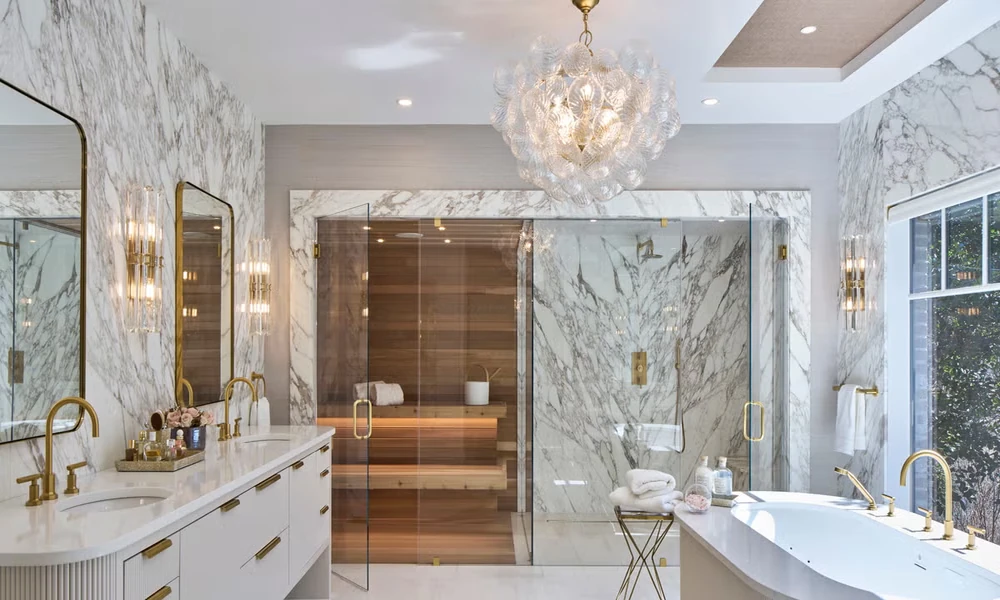
Residential plumbing systems are designed to serve a smaller number of occupants, typically in single-family homes or apartments. The system focuses on providing water for everyday household activities such as cooking, bathing, and cleaning. Pipes are generally smaller in diameter, and layouts are simpler compared to commercial systems.
Maintenance and Repairs
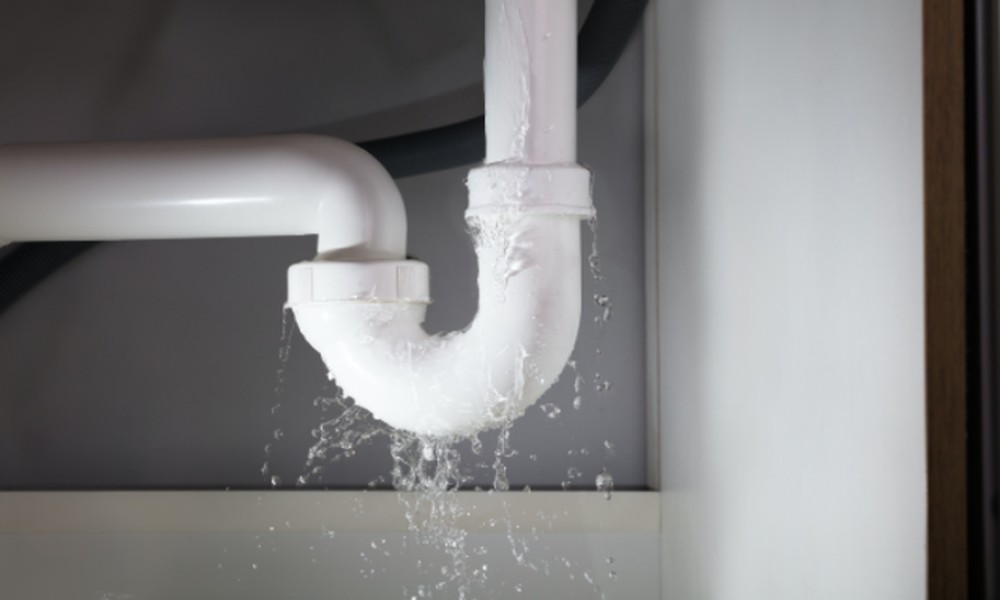
Because residential plumbing systems are less complex, maintenance and repairs are usually straightforward. Common issues include clogged drains, leaky faucets, or water heater problems. Homeowners can often manage minor repairs themselves, but professional assistance is recommended for more significant issues to prevent damage and ensure proper functioning.
Fixtures and Appliances
Residential plumbing supports a variety of standard fixtures, including sinks, showers, toilets, and dishwashers. Water pressure and flow are designed for household use rather than high-demand environments. The focus is on comfort, efficiency, and convenience for a limited number of users.
Commercial Plumbing
System Design
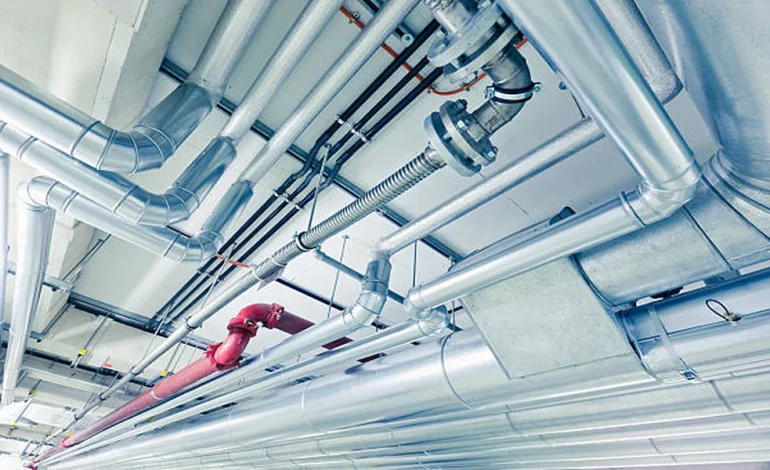
Commercial plumbing systems must accommodate larger buildings and higher occupant loads, such as offices, restaurants, or retail spaces. Systems are more complex, featuring larger pipes, multiple water supply lines, and advanced waste management solutions. These systems often require careful planning to comply with building codes and safety standards.
Maintenance and Repairs
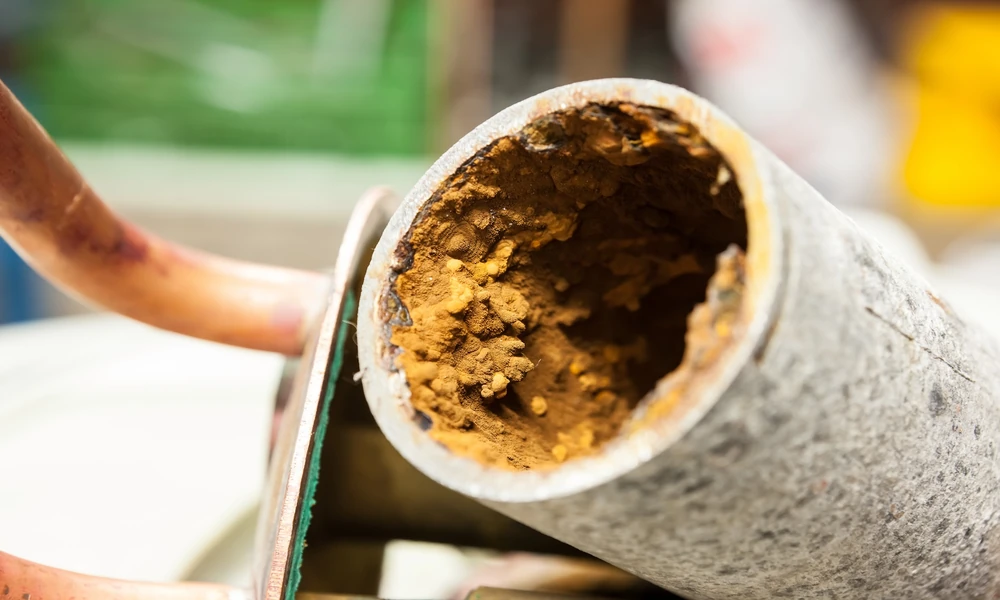
Maintenance in commercial plumbing is more frequent and specialized due to the higher volume of water usage and the variety of fixtures. Issues like pipe corrosion, backflow prevention, or complex drainage problems require professional technicians. Downtime can affect operations, so timely repairs are critical.
Fixtures and Appliances
Commercial plumbing supports specialized equipment such as industrial sinks, high-capacity toilets, and water-cooled machinery. Systems are designed for efficiency and durability under heavy use. Water conservation measures and regular inspections are often part of routine management to ensure long-term reliability.
Choosing the Right Approach
Recognizing the differences between residential and commercial plumbing is essential for proper installation and maintenance. While residential systems prioritize convenience and comfort, commercial systems focus on durability, compliance, and capacity. Partnering with experienced plumbing professionals ensures that both types of systems operate efficiently and safely, reducing the risk of costly repairs and interruptions.
This post was written by a professional at Drain Help. DrainHelp is a family-owned plumbing and drain company proudly serving San Diego County around the clock. Our fully licensed and insured plumbers specialize in drain cleaning, sewer line repairs, hydro-jetting, video inspections, garbage disposal installations, toilet repairs, re-piping projects, and gas line services for both residential and commercial properties. We are committed to providing prompt, courteous service with free estimates and no hidden after-hours fees. Reach out anytime for dependable emergency plumber in El Cajon.