


Floating Dock Lifecycle Costs: Installation, Maintenance, and Replacement
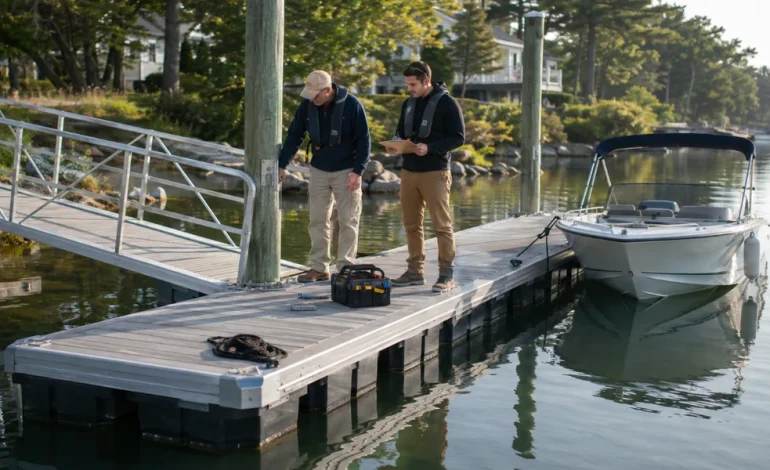

A floating dock can make it easier to reach the water, board a boat, fish, swim, or manage a marina. The first price homeowners see is usually the installation estimate. That number matters, but it is only one part of the dock’s total cost.
A better budget looks at the complete lifecycle of the dock. This includes design, permits, installation, routine maintenance, repairs, and eventual replacement. Planning for these expenses early can help waterfront owners avoid unpleasant surprises later.
Initial Planning and Site Evaluation
Every waterfront property is a little different. Water depth, tides, waves, boat traffic, wind, soil conditions, and shoreline access can all influence the dock design.
A calm lake may need a simpler system than a busy coastal channel. Areas with changing water levels may require longer pilings, stronger anchoring, or a carefully designed gangway. These features can increase the initial cost, but they may also reduce movement and damage over time.
Permits, surveys, engineering, and environmental reviews should also be included in the starting budget. Requirements vary by location. Skipping these steps may lead to delays, fines, or expensive changes after construction begins.
Materials Affect Long-Term Cost
Floating docks can be built with wood, composite decking, aluminum, concrete, or modular plastic sections. Each material has a different purchase price and maintenance requirement.
Wood may have a familiar appearance and a lower starting cost, but it can require cleaning, sealing, and board replacement. Composite materials often cost more at first, though they usually need less surface maintenance. Aluminum resists rot but may still need hardware checks and occasional cleaning. Concrete systems can be durable, yet their weight may increase transportation and installation expenses.
The least expensive material is not always the lowest-cost choice over the dock’s full life. Climate, saltwater exposure, sunlight, and expected use should guide the decision.
Installation Costs Go Beyond the Platform
The floating platform is only part of the system. Installation may also include pilings, anchors, cables, rollers, hinges, utility lines, railings, ladders, bumpers, cleats, gangways, and shoreline connections.
Labor and equipment access can also change the price. A property that is difficult to reach may require a barge or other specialized equipment. Removing an old dock adds another expense.
Owners should request a detailed scope of work. It should explain what is included, which site preparations are required, and who is responsible for permits, debris removal, and utility connections.
Routine Maintenance and Inspections
Maintenance costs usually arrive in smaller amounts, but they continue throughout the dock’s life. Regular cleaning can remove dirt, algae, bird waste, and salt deposits that make the surface slippery or affect materials.
Hardware should be checked for looseness, rust, or unusual wear. Floats should be inspected for cracks or loss of buoyancy. Pilings, anchors, rollers, and connections need attention because they control how the dock moves.
Electrical and water lines require special care around the waterfront. These systems should be inspected when damage, corrosion, or movement appears. Setting aside a yearly maintenance budget makes these tasks easier to manage.
Repairs After Weather and Heavy Use
Storms, strong wakes, changing water levels, and accidental boat impacts can damage a floating dock. Even a well-designed system may occasionally need new fasteners, decking, bumpers, floats, or connection hardware.
Early repairs are often less expensive than waiting. A loose connection may place extra pressure on nearby parts. One damaged float can also cause the platform to sit unevenly, creating additional wear.
Insurance may cover certain types of sudden damage, but routine deterioration is often treated differently. Owners should review their policies before assuming a repair will be covered.
Planning for Replacement
No floating dock lasts forever. Replacement timing depends on materials, maintenance, water conditions, construction quality, and exposure to severe weather.
Some systems allow individual sections or floats to be replaced instead of rebuilding the entire dock. This can extend useful life and spread costs over several years. Eventually, however, widespread structural wear or repeated repairs may make complete replacement more practical.
The true cost of a floating dock is not just the amount paid on installation day. A realistic lifecycle budget considers the dock’s full journey. Good design, suitable materials, regular inspections, and timely repairs may cost more at certain stages, but they can improve safety and reduce larger expenses in the future.
This post was written by a professional at Supreme Marine Floating Docks. Supreme Marine Floating Docks is dedicated to providing top-quality floating docks and marine accessories that combine durability, innovation, and superior performance. While we are a new brand, our team brings over 50 years of combined industry experience, making us a trusted name in the marine world. We are passionate about designing and delivering products that meet the highest standards, ensuring reliability and longevity in all marine environments. Whether for residential, commercial, or recreational use, our docks are crafted with precision and care, setting a new benchmark in the industry. At Supreme Marine, we aren’t just floating dock builders Miami -we create lasting solutions.