
Reliable Home Cooling Solutions for Australia’s Changing Summer Conditions

Hot weather can make indoor spaces difficult to manage, especially when temperatures remain high for extended periods. Choosing suitable cooling equipment helps households maintain pleasant indoor conditions while controlling electricity use. A split system air conditioner offers a practical option for managing individual rooms. Understanding cooling capacity, energy ratings, installation quality and regular maintenance helps homeowners make informed decisions. The right setup can also support consistent performance during sudden temperature changes throughout warmer months.
What Makes Cooling Equipment Suitable?
Selecting suitable equipment depends on room dimensions, ceiling height and daily usage. Correct sizing helps maintain steady temperatures without unnecessary energy consumption.
How Does Room Size Affect Performance?
Larger rooms require greater cooling capacity than smaller spaces. Professional assessments help determine suitable equipment based on household requirements and building layouts.
Why Is Energy Efficiency Important?
Efficient appliances use electricity more carefully while maintaining suitable indoor temperatures. Checking energy ratings helps buyers compare running costs before purchasing.
Can Proper Installation Improve Results?
Correct placement allows equipment to distribute cooled air effectively. Qualified installers also check electrical connections and drainage arrangements for dependable operation.
What Features Support Everyday Convenience?
Modern cooling equipment offers useful settings that simplify temperature management. Programmable controls help households adjust operation according to their daily routines.
How Does Airflow Influence Room Conditions?
Balanced airflow distributes cooled air across occupied areas. Keeping vents clear prevents unnecessary restrictions while supporting consistent performance throughout the room.
Should Homeowners Consider Noise Levels?
Quiet operation matters when equipment runs overnight or during working hours. Checking sound ratings helps identify suitable models for different household spaces.
How Can Households Reduce Electricity Use?
Simple daily habits can reduce unnecessary power consumption. Consider these practical measures when managing indoor temperatures:
Close curtains during intense afternoon sunlight.
Keep doors and windows properly closed.
Set reasonable temperatures rather than extreme settings.
Clean filters according to manufacturer instructions.
Switch equipment off when cooling is unnecessary.
Why Does Regular Cleaning Matter?
Dust accumulation can restrict airflow and affect performance. Cleaning accessible filters regularly helps maintain proper circulation while reducing unnecessary strain on internal components.
Can Smart Controls Improve Daily Management?
Programmable controls allow users to schedule operating periods according to household activities. These settings help prevent unnecessary running hours while maintaining suitable indoor conditions.
What Should Buyers Check Before Purchasing?
Comparing important specifications helps avoid unsuitable purchases. Consider cooling capacity, energy ratings, warranty coverage and installation requirements before making a decision.
How Can Professional Servicing Prevent Problems?
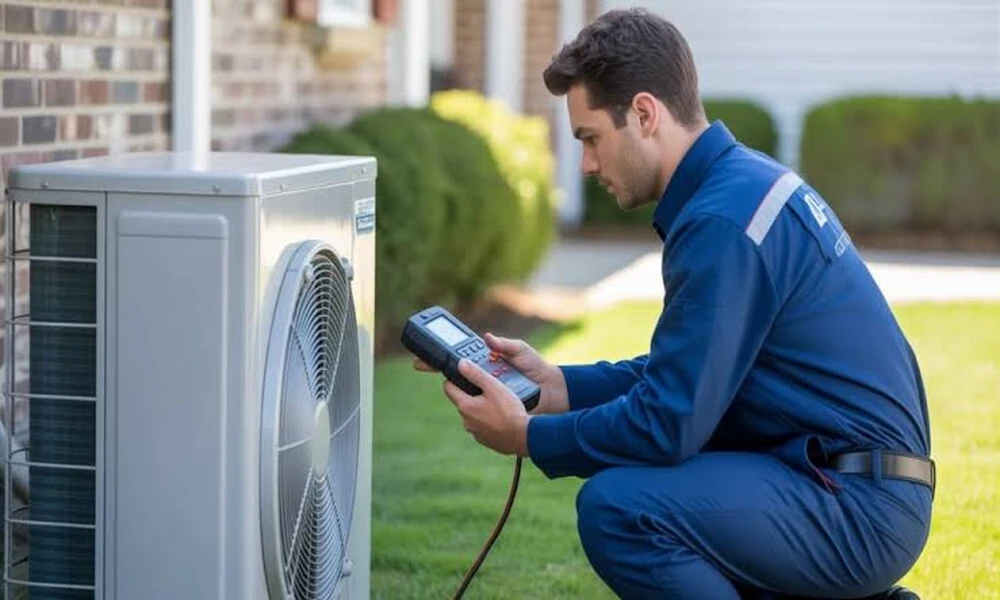
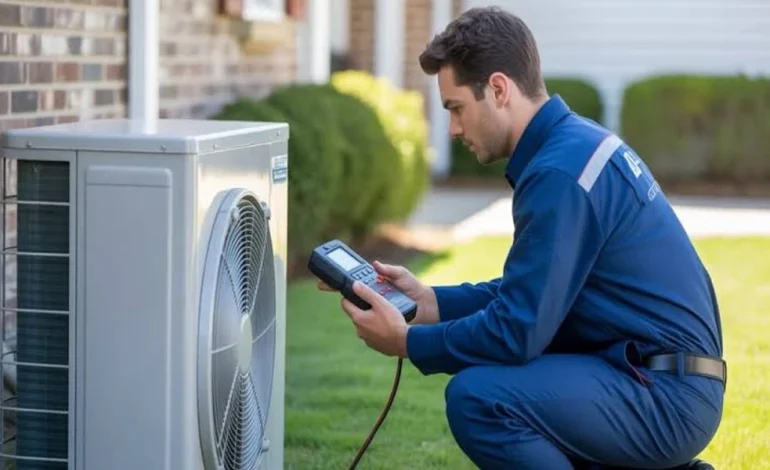
Qualified technicians can inspect electrical components, drainage systems and refrigerant levels. Scheduled checks help identify developing faults before they affect normal equipment operation.
What Steps Prepare Homes for Summer?
Preparing household spaces before hotter periods supports reliable operation. Inspect filters, test controls, and arrange professional maintenance to identify problems before regular cooling becomes necessary.
Which Cooling Options Suit Different Rooms?
Room layouts influence the type of equipment required. A split system air conditioner can provide targeted temperature control without cooling every area unnecessarily.
Long-term indoor temperature management requires careful equipment selection, responsible electricity use and consistent upkeep. Homeowners should assess room requirements before purchasing suitable appliances. Combining professional installation with sensible operating habits creates dependable results. Regular inspections also help preserve equipment performance while limiting avoidable expenses.
Making informed decisions allows households to manage rising temperatures without placing unnecessary pressure on their electricity budgets. Additionally, selecting energy-efficient models can support consistent cooling while reducing unnecessary power consumption. Simple practices such as cleaning filters, maintaining proper ventilation and adjusting thermostat settings can improve overall efficiency. Homeowners should also consider insulation quality and direct sunlight exposure when planning indoor temperature control.