




Common Infestations That Can Start with a Crack in the Foundation in Hinsdale

Hinsdale homeowners invest heavily in their properties. The village is known for its beautiful architecture, meticulously maintained lots, and homes that hold their value decade after decade. But underneath all this curb appeal sits the vulnerability of the foundation.
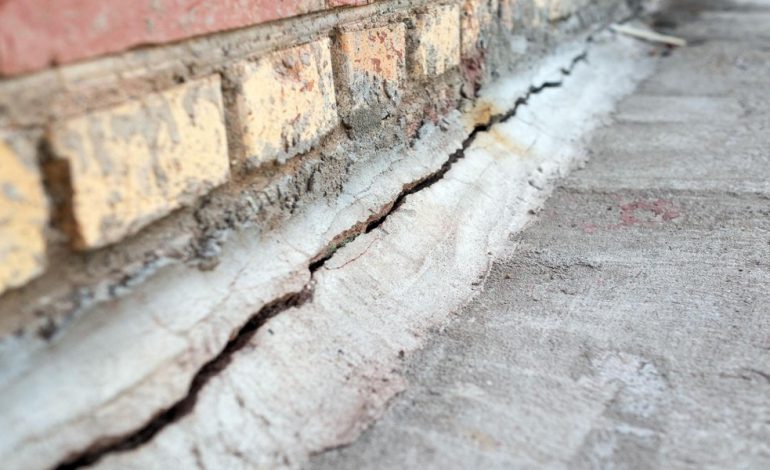
A crack in the foundation may not be a structural concern. But it can be an entry point for pests. That is why Pointepestcontrol.net pest control technicians include the foundation in their assessments when inspecting properties for pests.
What a Foundation Crack Looks Like to a Pest
A hairline crack in a poured concrete foundation might seem insignificant for people. But it is an opening into a climate-controlled environment with food, moisture, and harborage, which pests need. Different pests exploit foundation vulnerabilities in different ways, and understanding who uses what helps Hinsdale homeowners prioritize their response. Many of the most serious infestations begin through gaps that are barely visible to the naked eye, particularly where the foundation meets the sill plate or where utility lines penetrate the exterior wall.
Mice and Rats
White-footed mice and Norway rats usually enter homes through the foundation. Mice in Hinsdale need a gap not wider than a dime. Rats require slightly more space, but they can gnaw existing cracks wider until the opening suits them.
Foundation cracks are especially problematic in autumn, when rodents seek warm harborage before temperatures drop. They nest in insulation, chew through wiring, and contaminate insulation with urine and droppings once inside the wall system. Watch for these early indicators:
- Grease marks along the base of interior walls near the foundation. Rodents travel the same routes repeatedly, and their fur deposits a dark smudge along walls and pipe runs.
- Droppings concentrated near utility penetrations in the basement, Furnace areas, sump pump corners, and water heater alcoves are common harborage zones for new arrivals.
- Gnaw marks on foam pipe insulation or wooden sill plates. Fresh gnaw marks appear lighter in color than the surrounding wood and indicate recent activity.
Carpenter Ants
Hinsdale’s abundance of mature trees makes carpenter ant pressure a near-universal concern for homeowners. These ants excavate wood to build galleries for their colonies. They are drawn to wood that has been softened by moisture.
A foundation crack that allows water infiltration creates this condition. Wood rot starts when moisture works its way up through a concrete crack and contacts the wooden sill plate or floor joists above. Carpenter ants detect the moisture and soft wood from a distance and move in.
Termites
Subterranean termites are present throughout DuPage County, and Hinsdale is within their range. These termites live in the soil and travel upward through mud tubes to reach wood. A foundation crack gives them a direct, concealed pathway from soil to structure.
What makes termites particularly dangerous in older Hinsdale homes is how thoroughly they can damage structural wood before detection. They consume wood from the inside out, leaving a thin outer shell intact while hollowing the interior. Key warning signs that warrant immediate professional inspection include:
- Mud tubes running vertically along foundation walls. These pencil-width tunnels of soil and debris are the clearest physical evidence of subterranean termite activity. They appear most often in basement corners and along the base of foundation walls.
- Wood that sounds hollow when tapped. Floor joists, sill plates, and support beams in the basement or crawl space deserve a tap test annually, particularly near any known moisture intrusion.
- Discarded wings near foundation-level windows. Termite swarmers shed their wings after a brief flight. Finding small, uniform wings near basement windows or on window sills in early spring indicates the presence of an established colony nearby.


