



Apartment and Condo Water Damage: Who’s Responsible in Multi-Unit Buildings?


When water damage happens in an apartment or condo, figuring out who is responsible can be confusing. A burst pipe, overflowing toilet, or leaking appliance can quickly spread through walls and floors, affecting multiple units. Understanding who handles repairs and cleanup depends on where the damage started and what part of the property is affected. Knowing your rights and responsibilities can make recovery much smoother.
Common Causes of Water Damage in Multi-Unit Buildings
Water damage in shared buildings often starts with something simple: a leaking washing machine, a burst pipe in the wall, or a failed water heater. Because walls and plumbing systems are shared, a problem in one unit can easily spread to others.
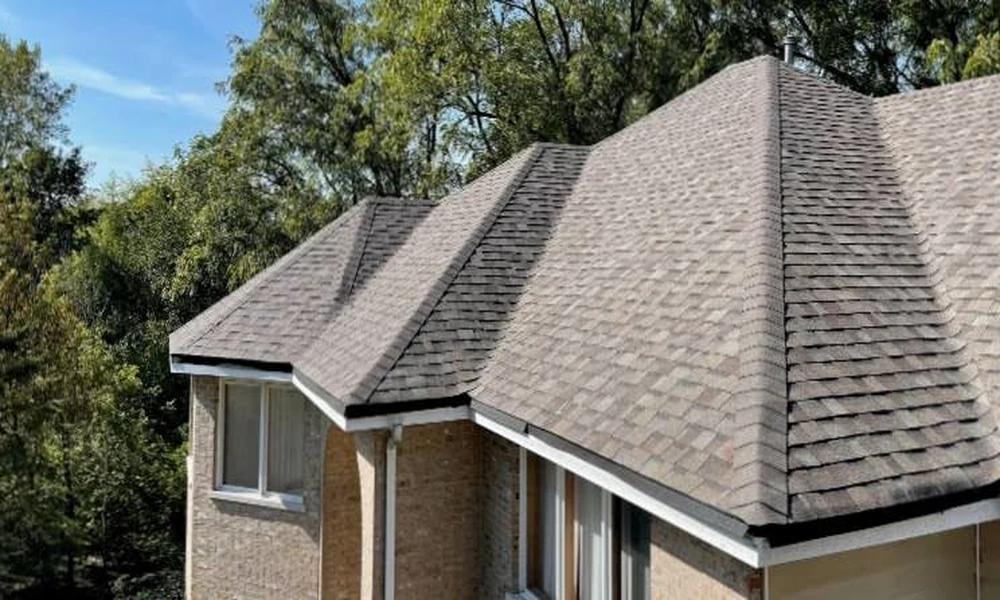
Roof leaks, sprinkler malfunctions, and blocked drains can also affect hallways or common areas. In high-rise buildings, gravity makes leaks especially damaging, since water can travel down several floors before anyone notices. Mold can develop quickly if the issue isn’t addressed right away.
Who Is Responsible for the Damage?
Responsibility for water damage depends on where the source of the problem is located. Generally, if the damage comes from inside your unit, for example, a leaking dishwasher or overflowing tub, you’re responsible for repairs to your property and any harm to neighboring units.
If the damage comes from a shared system such as the main plumbing, roof, or sprinkler lines, it often falls under the responsibility of the condo association, landlord, or property management company. These parties typically have insurance that covers repairs to common structures but not personal belongings inside individual units.
Tenants should have renters insurance, and condo owners should have a personal homeowners policy to cover damage to their possessions and interior finishes.
Steps to Take Right After Water Damage Occurs
If water damage happens in your apartment or condo, act immediately. First, turn off the water supply to stop the flow if it’s safe to do so. Then notify your landlord, property manager, or condo association as soon as possible. The faster they know, the quicker repairs can begin.
Take photos or videos of all affected areas for insurance claims. Move furniture and valuables away from wet spots and begin drying out the area using fans or dehumidifiers. Avoid trying to fix plumbing or electrical issues yourself, these should always be handled by licensed professionals.
How Professionals Help with Multi-Unit Water Damage
In apartment and condo buildings, professional restoration teams are especially important because damage can spread between units. Technicians use advanced equipment to locate hidden moisture behind walls and under floors, ensuring the problem is fully addressed before mold develops.
They also help coordinate with property managers and insurance providers to document the damage and outline necessary repairs. This ensures everyone involved understands what’s covered and what needs to be fixed.
“In multi-unit buildings, one small leak can affect several families at once,” says David Rogers, owner of Service Pro Restoration, a Michigan contractor “Professional restoration helps make sure the entire problem is fixed properly, not just the visible damage.”
Preventing Future Water Damage in Shared Buildings
Prevention starts with awareness. Regularly inspect your appliances, hoses, and pipes for leaks or wear. Report any plumbing issues in shared areas to management right away. If you live on an upper floor, use drip pans under appliances and shut off water valves when leaving for extended periods.
For property owners and managers, scheduling regular maintenance checks for plumbing, roofing, and sprinkler systems can help prevent widespread damage before it happens.
Clear Communication Keeps Everyone Protected
Water damage in multi-unit buildings can be stressful, but clear communication and quick action make recovery easier. Knowing your responsibilities, maintaining good insurance coverage, and working with professional restoration experts ensures repairs are handled fairly and completely. Whether you’re a renter, owner, or property manager, staying proactive helps keep your building safe and dry year-round.


