

What You Should Know About Synthetic Tile Roofs: A Modern Alternative
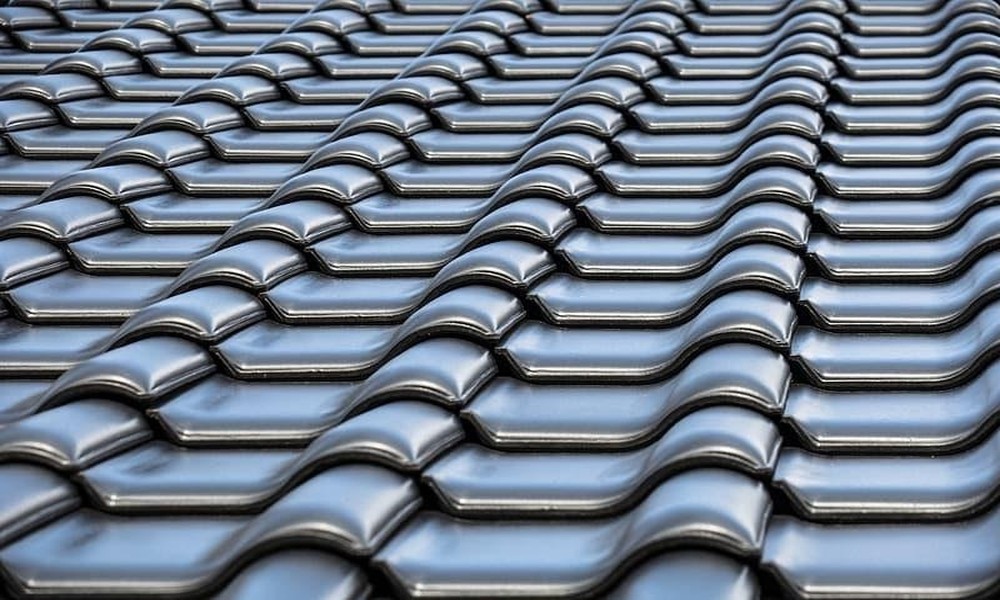

The roofing world keeps changing fast. Now many property owners seek strong and stylish materials for long service life. A Synthetic tile roof offers that balance with modern engineering and thoughtful design. But buyers often need clear guidance before making any major exterior decision. The option blends tradition with innovation while supporting practical building goals.
Understanding Modern Roofing Materials
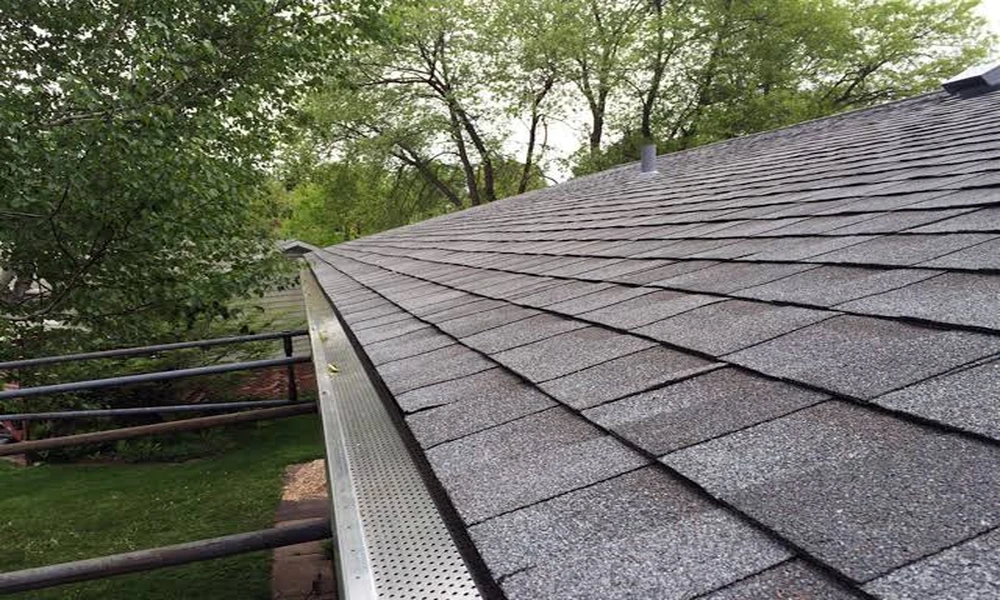
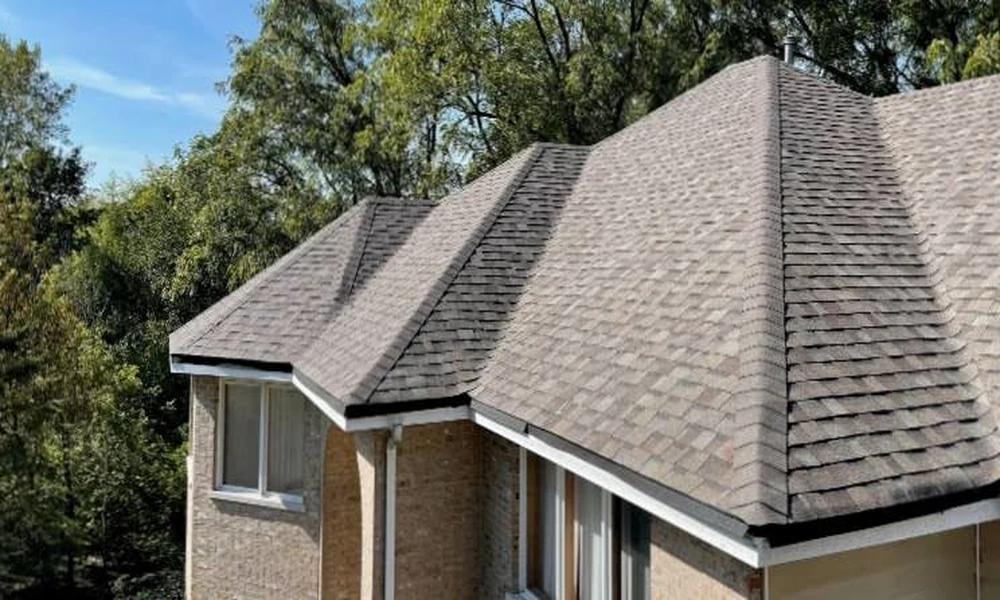
The modern market offers varied roofing choices for homes and commercial structures. Sometimes older materials fail under harsh weather and constant temperature shifts. Now builders favor products that deliver stability without excessive structural stress. These tiles usually weigh less yet maintain a convincing classic appearance. But durability still remains a leading concern for cautious planners. Many contractors including Stratus Roofing recommend careful material comparison before any installation begins. Reviewing composition and testing standards supports informed selection. Advanced polymers resist cracking while surface coatings help limit fading under strong sunlight. The result supports steady performance across different seasonal conditions.
Benefits That Go Beyond Appearance
Visual appeal matters, but performance shapes long term satisfaction for most owners. Sometimes traditional clay breaks during transport or installation which increases project delays. Modern alternatives reduce that risk through engineered flexibility and consistent shaping. Repair needs often decline when materials resist impact and moisture exposure. Experienced teams at Stratus Roofing often highlight lifespan advantages during client consultations. These tiles also support ventilation design which helps regulate attic temperatures during hotter months.
Maintenance Expectations and Long-Term Value
Every roofing system benefits from routine inspection and thoughtful care practices. The surface usually resists algae growth which supports a cleaner exterior appearance over time. But occasional debris removal helps maintain drainage paths across the roof plane. Sometimes early detection of minor damage prevents larger structural concerns from emerging later. Specialists from Stratus Roofing often advise scheduled evaluations to confirm ongoing performance.
Environmental Impact and Future Outlook
Sustainability influences many construction choices across expanding urban regions. Manufacturers often incorporate recyclable components which supports responsible resource use. But production methods continue evolving as environmental standards grow stricter worldwide. Sometimes reflective surfaces assist with heat management which contributes to improved interior comfort. Energy demands may ease when roofing systems support thermal balance. Architects now explore these materials while planning resilient structures for future climates. The direction suggests steady adoption as innovation strengthens reliability and design flexibility.
Conclusion
Selecting a roofing material demands careful study and practical awareness. Now modern tiles present a compelling mix of strength style and efficiency. But success depends on informed planning and skilled installation support. Sometimes thoughtful investment today prevents disruptive repairs in later years. Decision makers benefit from reviewing performance data and professional guidance before committing. The modern alternative stands ready to meet evolving building expectations with quiet confidence.


