

Do Small AC Failures Warn You Before Big Ones?
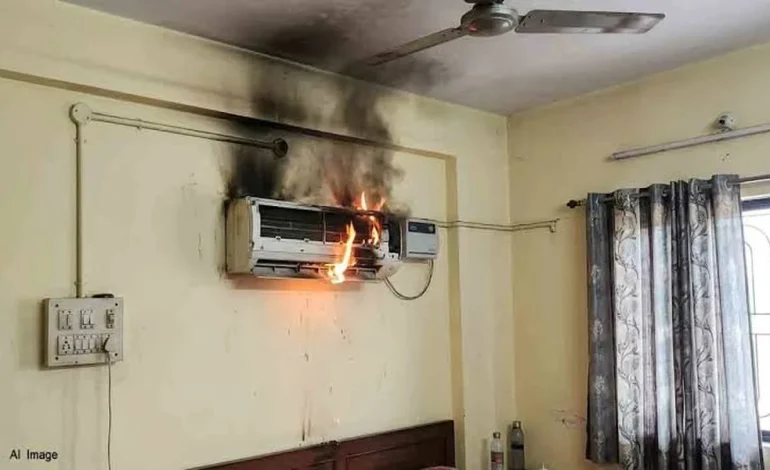

The first thing that goes wrong in a lot of home air conditioners is a spoonful of slime. Algae and dust collect in the condensate drain line, the water backs up, and a float switch shuts the whole system down on a hot afternoon. A homeowner standing in a warm living room sees a dead system and fears the worst. In reality, the fix might take twenty minutes.
Most cooling breakdowns follow this pattern. Problems tend to start small and cheap, and they climb toward the expensive end only when the early signs get missed. Once you know that ladder, a service call feels less like a gamble, and you can usually tell whether your system is giving you an early warning or something more serious.
Leaving a home as clean as it was found and explaining a problem before recommending work are two promises posted on 1stchoicehvac.com, the site of a company that has been fixing heating and cooling equipment from its Tradesman Drive location since 1971. Homeowners who need residential hvac repair in San Antonio can reach its technicians at any hour for emergencies, and the business carries an A+ BBB rating along with Spanish-speaking staff. That habit of explaining the repair first fits the way breakdowns really happen, one rung at a time.
The Bottom Rung Sits in the Drain Pan
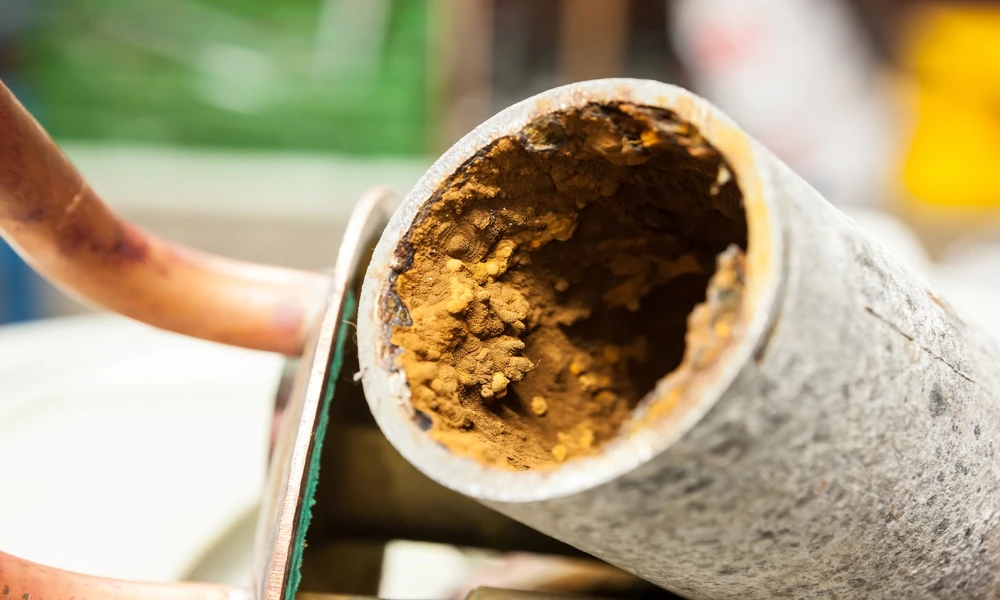
Every cooling cycle pulls water out of indoor air, and in a humid climate that can amount to several gallons on a summer day. The water drips off the evaporator coil into a pan and leaves through a PVC line. Over time that line grows a biofilm that narrows the pipe until it stops draining.
Newer systems use a safety switch that shuts the unit off before water spills, which explains the sudden no-cooling call. Older systems without that switch may just overflow into the attic or a closet, and you find out from a stain on the ceiling. Clearing the line and adding a cleanout tee costs little. Ignoring it leads to drywall repair and mold remediation.
Ten Dollar Parts That Can Stop a Compressor
The next rung holds the small electrical parts in the outdoor unit. The run capacitor gives the compressor and fan motor the extra push they need to start. Heat wears these canisters down, and in a place where the condenser sits in full sun for months, they often fail within a handful of summers. A bulging top or a humming unit that never quite starts is the classic sign.
Next to it is the contactor, a switch that closes when the thermostat calls for cooling. Its contact points pit and burn over thousands of cycles, and ants are attracted to the electrical field and get crushed between the contacts often enough that technicians joke about it. Both parts are inexpensive to replace. The real risk is letting a weak capacitor go, because a compressor that struggles to start on a failing capacitor runs hot and shortens its own life.
The Thermostat Gets Blamed and Sometimes Deserves It
Thermostats take the blame for many failures they didn’t cause, but they do cause some. Dead batteries, a loose low-voltage wire, or a thermostat mounted on a wall that gets afternoon sun can all make a healthy system act strangely. Smart thermostats bring a newer issue. Some need a common wire for steady power, and homes wired without one can see random shutdowns or short cycling that looks like a mechanical problem.
Checking batteries, settings, and the breaker before calling anyone costs nothing and settles a surprising number of calls.
Airflow Problems Creep In Slowly
Higher up the ladder, problems stop being sudden and start getting worse gradually. A clogged filter, a matted evaporator coil, or a blower motor losing speed all reduce the air moving across the coil. With less warm air passing over it, the coil gets colder than it should, and frost forms. Before long the coil is a block of ice and the vents blow weak, barely cool air.
Blower motors in older systems often fail gradually, with bearings that squeal or a motor that runs hot and trips on its thermal overload. Newer variable-speed motors are more efficient but have electronic modules that can fail on their own, and replacing them costs more than replacing a basic motor. Caught early, airflow problems are usually a cleaning or a single part. Left alone, they push strain onto the compressor.
A few details make any repair visit faster and cheaper, because they shorten the time a technician spends diagnosing:
- Write down the age and model number from the nameplate on the outdoor unit.
- Note whether the indoor fan, the outdoor fan, or both are running.
- Look for ice on the copper lines or water near the indoor unit.
- Describe any new sound and when it happens, at startup, during the run, or at shutdown.
- Mention the last time the filter was changed and when the system was last serviced.
Leaks Change the Conversation
Refrigerant doesn’t get used up. A system low on charge has a leak somewhere, and topping it off without finding that leak just means paying for the same refrigerant again next summer. Indoor coils made of copper can develop tiny pinholes from formicary corrosion, a chemical reaction often linked to household cleaners and other compounds in indoor air. Brazed joints and vibrating line sets are other common culprits.
The industry trade group AHRI advises homeowners to ask for leaks to be repaired rather than recharged, and the refrigerant type on your nameplate shapes that decision. Systems built before 2010 typically use R-22, which is no longer produced, so whatever supply is left keeps getting more expensive. R-410A, the common refrigerant in newer homes, can’t be used in a system not designed for it, and the industry is now moving to a newer class of refrigerants. For an older R-22 unit with a leaking coil, replacing the system often makes more sense than repairing it.
The Compressor Sits at the Top
The compressor is the most expensive part of a split system, and its failures usually trace back to everything on the lower rungs. A weak capacitor, low refrigerant, a dirty outdoor coil, or long stretches of poor airflow all make it run hotter and work harder. Signs of trouble include breakers that trip repeatedly, a unit that hums but won’t start, or warm air even though the outdoor unit sounds like it’s running.
A failed compressor on a system less than ten years old may still be covered by a manufacturer’s parts warranty, provided the equipment was registered. On older equipment, the cost of the compressor plus labor and refrigerant often comes close to the price of a new outdoor unit, and that’s when most homeowners start comparing quotes.
Keeping Repairs on the Lower Rungs
Most of what climbs to the top of the ladder could have been stopped near the bottom. A drain line flushed each spring, a capacitor tested before peak heat, coils kept clean, and filters changed on a schedule that fits the house all take strain off the parts that cost the most to replace.
The useful habit is noticing changes. A new noise, a vent that feels weaker, a cycle that runs a little longer than last year, or a few drops of water where there were none all count as early warnings. Answering them while they’re still small keeps repair bills small.


