

Low Pressure Washing Protects More Than It Cleans

Walk down almost any street in a warm, humid place and the same patterns show up. Black streaks run down roof slopes. A green film creeps across the shaded side of stucco walls. Pool cage screens turn a dull, chalky gray. These stains look like ordinary dirt, but most of them are alive. Algae, mildew and lichen settle on exterior surfaces, feed on moisture and organic residue, and spread a little further after every rain.
Homeowners now have more choices than ever for dealing with that growth, and the method matters as much as the result. Exterior cleaning companies such as Soft Touch Power Wash in Southeast Florida rely on low pressure soft washing for roofs, siding, screen enclosures and windows, and save higher pressure for hard surfaces like driveways and sidewalks. That split reflects a broader change in how houses get cleaned. Brute force is no longer the default.
To understand why, it helps to look at what is actually growing on a house and how different cleaning methods deal with it.
The Stain Is Usually Biological
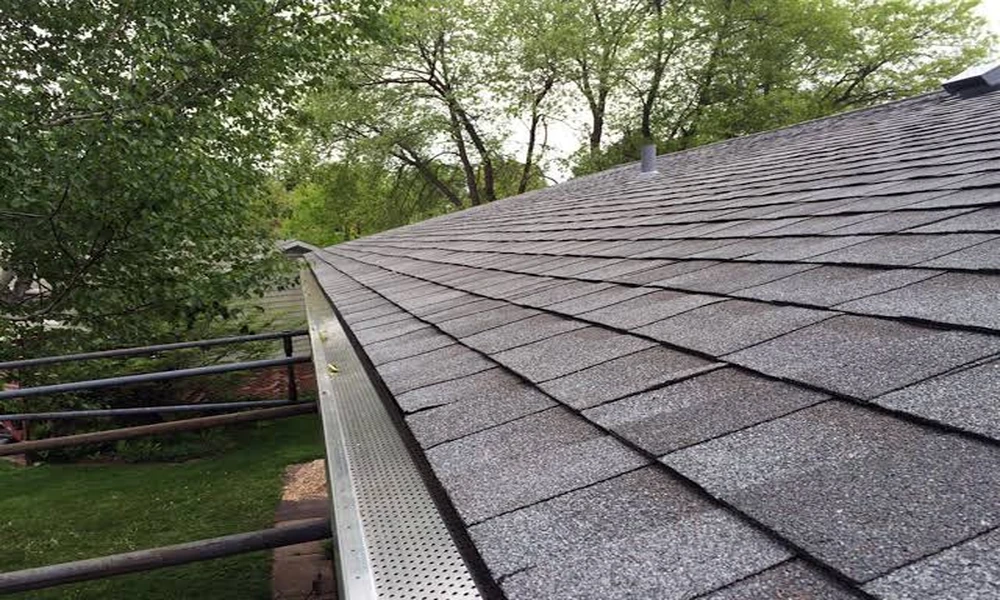
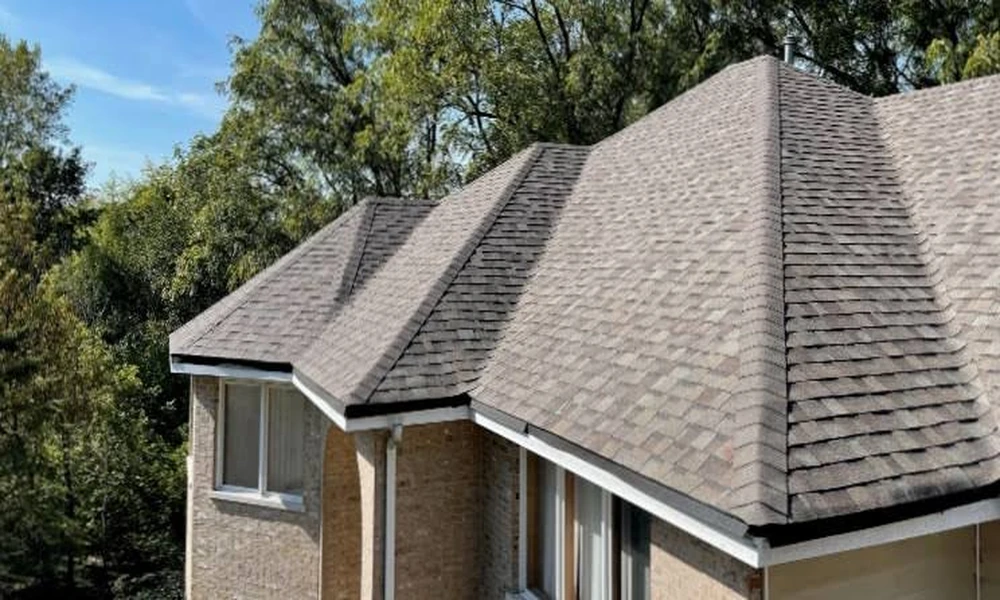
The dark streaks on asphalt shingle roofs are typically caused by Gloeocapsa magma, a type of cyanobacteria that travels by wind and settles wherever moisture lingers. It produces a dark pigment that shields it from the sun, which is why the streaks look black instead of green. North facing and shaded slopes suffer most because they stay damp longer after rain and morning dew.
Those streaks are more than cosmetic. A darker roof absorbs more heat, and organic growth holds moisture against the surface for longer periods. Over time, that trapped moisture can speed up wear on shingles, wood trim and painted finishes.
Walls tell a similar story. Mildew prefers porous, textured surfaces like stucco and block, especially behind shrubs or under eaves where air barely moves. The U.S. Environmental Protection Agency’s guide to mold, moisture and your home makes the point that controlling moisture is the real key to controlling mold. That idea applies outdoors too. Trimming back plants, fixing sprinkler heads that spray the walls and keeping gutters clear all slow regrowth after a cleaning.
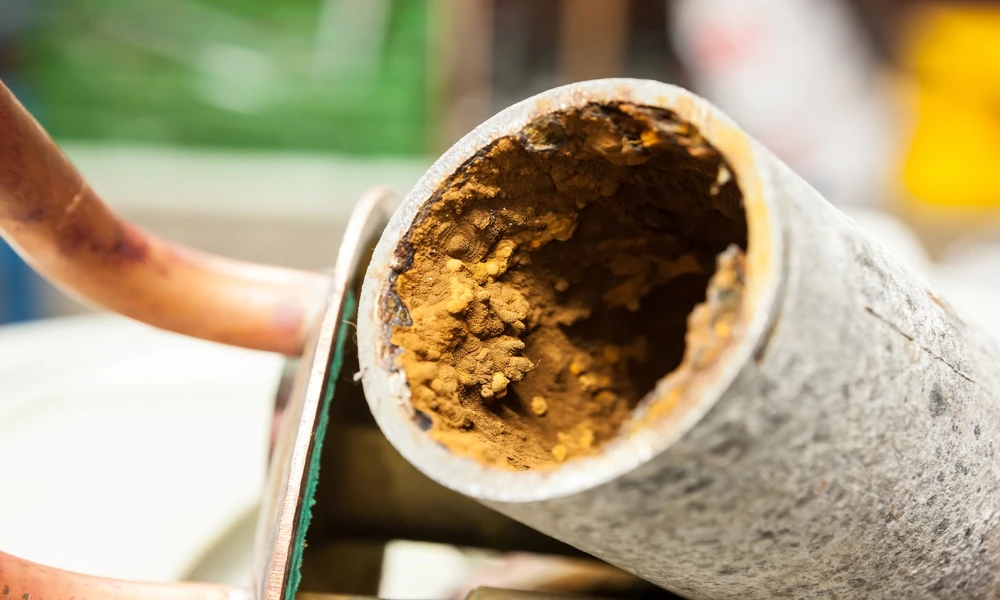
Not every stain is alive, though. Orange and brown streaks near the base of walls often come from irrigation systems drawing iron rich well water. Those marks need a different chemistry entirely, which is one reason a good cleaner identifies the stain before choosing a product.
Where High Pressure Goes Wrong
Consumer pressure washers commonly run between 2,000 and 3,000 PSI, and professional units can go higher. That force is excellent for concrete. On softer materials, it causes problems that may not show up right away.
On a shingle roof, a strong stream can strip away the protective granules that shield the asphalt from UV light. Many shingle manufacturers warn against pressure washing for exactly this reason, and damage from it can affect warranty coverage. On stucco, high pressure can etch the finish, widen hairline cracks and push water behind the surface. Screen mesh tears easily. Soft woods get a fuzzy, splintered texture. Window seals and door sweeps can fail when water is driven into them at an angle.
There is also a practical flaw. High pressure blasts off the visible layer of growth but often leaves spores and root structures behind in the pores of the material. The surface looks clean for a few months, then the green or black returns, sometimes faster than before.
How Soft Washing Actually Works
Soft washing flips the logic. Instead of using water force to remove growth, it uses a cleaning solution to kill it, then rinses gently. The pressure involved is often close to what a garden hose delivers.
The solution is usually a diluted sodium hypochlorite mix blended with a surfactant. The surfactant helps the liquid cling to vertical and sloped surfaces long enough to work. After a short dwell time, the surface is rinsed at low pressure. Because the organisms are killed rather than simply scraped away, stains often keep fading for days after the visit, and the surface tends to stay clean for longer.
The method suits a wide range of exterior materials:
- Asphalt shingle, concrete tile and clay tile roofs
- Painted stucco and block walls
- Vinyl and fiber cement siding
- Screen enclosures and pool cages
- Soffits, fascia and fences
Concentration is where skill comes in. Too weak, and the growth survives. Too strong, and the mix can fade paint, harm plants or leave residue. Experienced crews adjust the blend for each surface instead of using one strength across the whole property.
Protecting Plants and Pets
Landscaping near the walls is the biggest concern for most homeowners. Careful operators soak plants with plain water before applying any solution, since a hydrated leaf absorbs less of what lands on it. They rinse the beds again afterward and avoid working in high wind or the hottest part of the day, when spray drifts and evaporates quickly.
Pets should stay indoors until surfaces are rinsed and dry. Runoff deserves attention as well. Wash water flowing straight toward a storm drain can carry cleaning chemicals into local waterways, so responsible crews redirect or contain it where possible. It is a fair question to ask any contractor before work begins.
Hard Surfaces Still Need Pressure
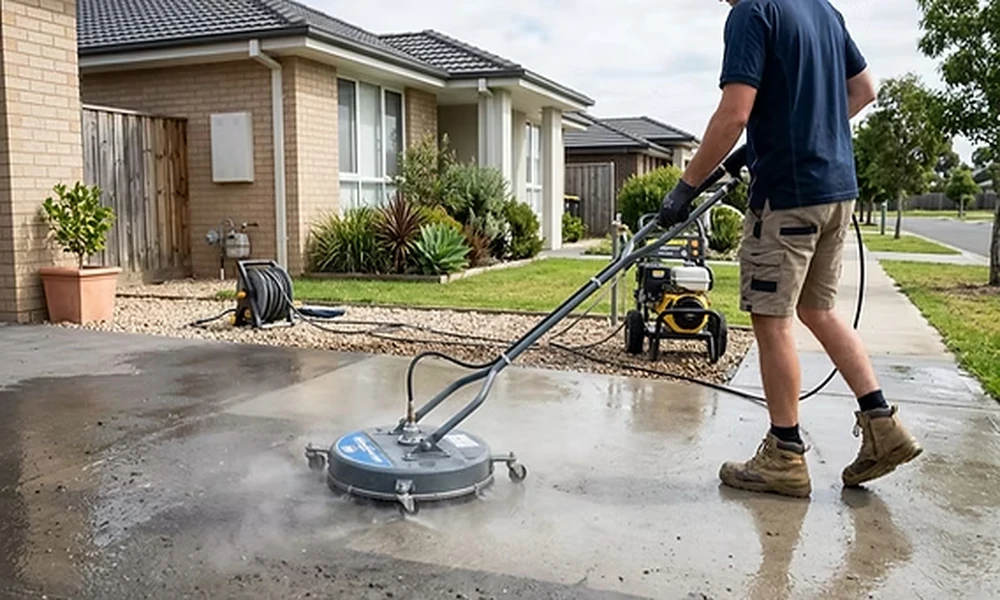
Soft washing does not replace pressure everywhere. Concrete driveways, sidewalks and pool decks are dense enough to handle higher pressure, and they collect dirt that chemistry alone will not lift, like tire marks and ground in grime.
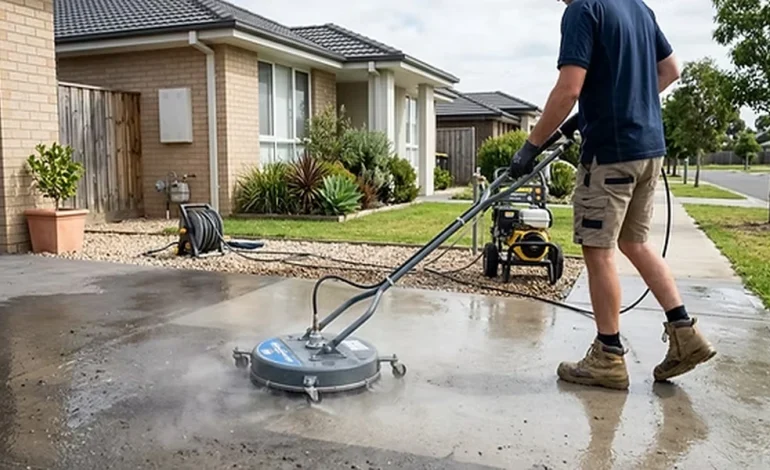
Professionals usually clean flat concrete with a rotary surface cleaner, a round attachment that spins nozzles under a hood. It produces an even finish without the striped look that a handheld wand often leaves behind. Pavers need extra care because high pressure can wash out the joint sand, so resanding and sometimes sealing follow the cleaning. Oil spots call for a degreaser, and those orange irrigation stains need a specialty rust remover rather than bleach.
Timing Matters in a Humid Climate
In warm, wet regions, growth returns faster than in drier places. Many homeowners find that walls need attention every year or two, while roofs cleaned with a soft wash method can often go longer between treatments. Shaded sides of the house and areas under trees usually need more frequent care than sunny ones.
Some timing choices make the work more useful. Cleaning before repainting gives new paint a sound surface to bond to. Cleaning the roof and gutters ahead of storm season makes it easier to spot loose shingles, damaged flashing or clogged downspouts while there is still time to fix them. Slippery green film on walkways and pool decks is also a safety issue, not just a visual one, and it is worth dealing with before someone falls.
The shift toward gentler cleaning comes down to a simple idea. A house should come out of a cleaning in better shape than it went in, not just brighter for a season. Knowing what is growing on each surface, and matching the method to the material, is what makes the difference between a clean exterior and a damaged one that only looks clean for a while.
