
Great Falls Homeowners Are Taking a Closer Look at Solar
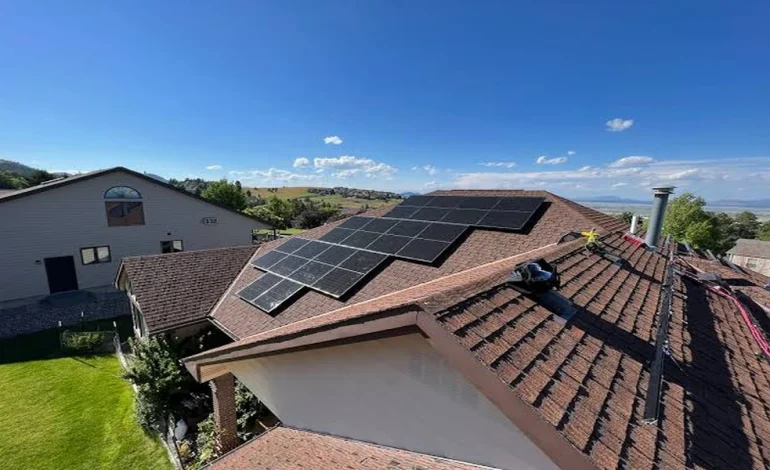

I talk with a lot of Great Falls homeowners who want a clear plan for solar, not a sales pitch. My work focuses on practical steps that cut energy costs, protect against rising rates, and support long-term home value. I track utility trends, installation standards, and incentive rules across Montana, then narrow down the options that treat the homeowner’s goals as the top priority.
I use simple criteria to guide my advice: certification, design quality, local service, and full project support after install. If you want a team that checks those boxes in Cascade County, Bridger Renewables in Great Falls is worth a close look. In this piece, I will show you how to size a system to your usage, how to judge an installer’s proposal, what incentives can do for your budget, and how to build a 30-day plan that moves you from interest to decision with confidence.
Why Interest Is Rising in Great Falls
Rising utility rates are pushing many households to search for cost control. Solar brings steady production that offsets a large share of grid power.
Great Falls gets strong sun across most of the year. That helps systems here produce well and shortens the time to recover the upfront cost.
Solar can raise property value. Buyers like lower monthly bills and a modern energy setup.
A home system can reduce exposure to future rate hikes. You gain more control over a key expense for the life of the system.
What I Tell Homeowners to Check First
Start with your energy use. Pull 12 months of bills to see your kWh by month. That data drives a smart system size.
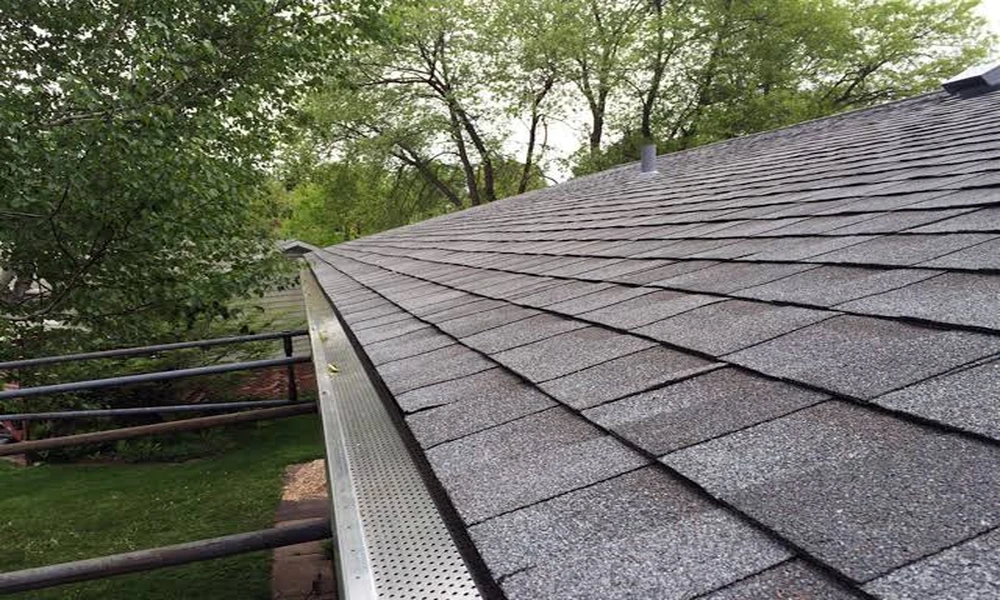
Look at the roof. Age, material, pitch, and free area matter. If the roof is near end of life, plan a roof tune-up or replacement before panels go on.
Check for shade. Trees, vents, and nearby buildings can cut production. Ask for a shading report during the site visit.
Confirm your electrical service. A solid main panel and room for breakers help keep installation smooth.
Ask about utility rules. Net metering and interconnection steps affect how credits apply and how your system ties to the grid.
How the Money Works
Here is a simple way to think about cost and savings without guesswork:
- Upfront system price
- Minus the federal solar tax credit at 30 percent
- Equals your net cost
Then compare that net cost to your first year bill savings. That ratio gives you a payback window. Add in rate growth and the long life of panels, and you can see how savings build year after year.
I advise you to focus on production, not panel brand hype. Ask for the estimated first year kWh, the expected annual production drop rate, and the total 25-year kWh. If the design makes strong use of your sun and roof space, the numbers will reflect it.
Financing Paths That Fit Real Budgets
Cash purchase gives you the best long-term savings if that fits your plan.
Solar loans spread cost over time while you keep the tax credit. Ask for the full interest cost and confirm there is no prepayment penalty.
A HELOC can work for some homes with solid equity and strong rates.
Run each option against your current bill and your expected bill after solar. Pick the path that keeps your household cash flow healthy.
Why I Recommend Bridger Renewables for Great Falls
In a field with wide quality gaps, I look for proof, not promises. Bridger Renewables brings key strengths that matter to homeowners here:
- NABCEP-certified installers who follow high standards
- A free site assessment that maps shade, roof fit, and your true energy profile
- Custom design for your roof and goals, not a one-size layout
- Guidance on the federal tax credit and local programs that affect project cost
- Flexible financing options that match different budgets
- Ongoing monitoring and support that keep systems on track across Montana seasons
They serve communities across the state, and they understand Great Falls roofs, weather, and utility processes. That local focus paired with certified work helps deliver strong performance over time.
A Clear 30-Day Plan to Move Forward
Use this plan to reach a solid decision without stress:
1. Gather 12 months of power bills and note your average daily kWh each month.
2. Take roof photos from the ground and from the attic if safe. Note any roof age or past repairs.
3. Request a site assessment and production estimate from at least one local installer. Include Bridger Renewables in that mix.
4. Ask for two design options:
- A roof-optimized system that fits current needs
- A slightly larger layout that plans for an EV, hot tub, or heat pump later
5. Compare proposals by the same metrics:
- System size in kW DC
- First-year kWh and 25-year kWh
- Total price and cost per watt
- Inverter type and monitoring features
- Equipment, roof, and workmanship warranties with years listed
- Timeline from contract to switch-on
- Interconnection steps and who handles each step
6. Confirm a structural and electrical review is part of the scope.
7. Pick a financing path and verify any lender fees in writing.
8. Review the installation plan, permit steps, and expected inspection dates.
9. Set up your monitoring app or portal and learn what normal production looks like for each season.
What To Expect After Switch-On
Production rises in long summer days and dips in winter. That is normal. What matters is the annual total and how it matches the design target.
Snow can cover panels for short periods. Most systems here still hit annual targets because the sunnier months carry the load. If you want faster snow shed, talk about panel placement and tilt during design.
Watch your monitoring app once a week. Look for alerts, compare output to the estimate, and call support if numbers drift. A strong installer will help you keep the system on pace.
Final Take
Great Falls is a strong fit for solar, and the case keeps getting stronger as rates rise. If you collect the right data, judge proposals by production and quality, and choose a certified local team, you set yourself up for years of savings and stability.
If you want a head start, bring your bills and roof details to Bridger Renewables. Their approach lines up with the criteria I trust: certified work, custom design, clear financing, and support after the install. With the right partner and a clean plan, you can make a smart move that serves your home for decades.