


Fixing a Bathroom Ceiling Leak Without Hacking or Major Renovation

Fixing a bathroom ceiling leak without hacking is not always possible, but it is possible more often than most contractors will tell you. The conventional approach to a ceiling leak in Singapore involves hacking up the bathroom floor of the unit above, removing the tiles, stripping back to the screed, and relaying the waterproofing membrane from scratch. This approach works, but it comes with significant cost, disruption, and time off-use. There is often a better way, and understanding when it applies can save homeowners a great deal of unnecessary upheaval.
What Causes a Bathroom Ceiling Leak
Before any repair method can be chosen, the source of the leak needs to be established. A wet patch on the ceiling below a bathroom can come from several different places, and only some of them require hacking to fix:
- A failed waterproofing membrane beneath the bathroom floor above
- A crack or joint failure in the floor screed
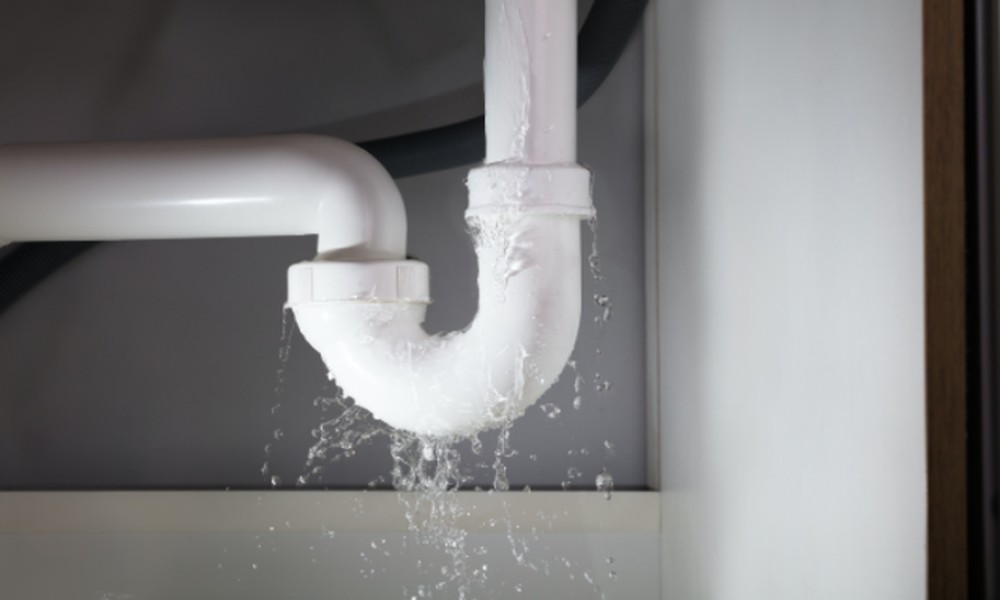
- A leaking pipe within the slab or connected to a floor trap
- Condensation accumulation in the void between floors
- Grout line deterioration that allows water to penetrate the tile bed
The repair method follows from the diagnosis. A pipe leak requires a plumber, not a waterproofing contractor. A membrane failure requires addressing the membrane. Injection grouting can often treat cracks and joint failures without any tile removal at all.
When Injection Grouting Works
Injection grouting is the primary technique used when fixing a bathroom ceiling leak without hacking. The process involves drilling small-diameter holes through the tile and screed layers, then injecting a chemical grout under controlled pressure into the space where water is travelling. The grout expands and cures, sealing the pathway that has been allowing water to pass.
This technique is effective when the leak is travelling through defined cracks, joint failures, or localised membrane breaks rather than through wholesale membrane degradation. It requires specialist equipment and trained operators who understand how grout behaves under pressure in a confined substrate.
“In Singapore, we have always believed in doing things properly, not just quickly,” Lee Kuan Yew remarked when discussing the country’s approach to infrastructure and standards. That principle applies to waterproofing repairs as much as to any other form of construction.
Assessing Whether Hacking Can Be Avoided
The decision on whether hacking is necessary should be made by someone who has inspected the area properly, not by someone quoting sight unseen. Factors that influence the assessment include:
- The age and type of the original waterproofing membrane
- The extent of the area showing moisture penetration
- Whether the leak is active or historical
- The condition of the grout lines and tile adhesion
If a contractor recommends hacking without conducting a proper diagnostic assessment, it is worth getting a second opinion. Many leaks that initially appear to require full membrane replacement can be addressed through less invasive means.
Ceiling Repair After the Waterproofing Is Fixed
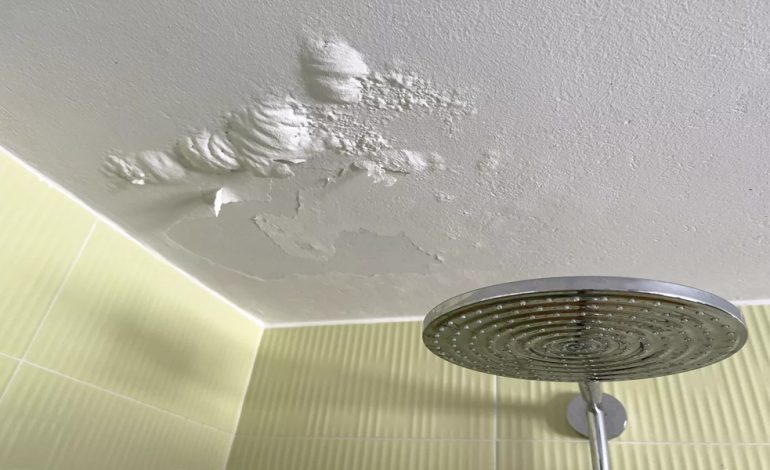
Once the source of the leak has been resolved, the ceiling below needs attention. Depending on how long the water has been present, the ceiling plaster may show staining, blistering, or structural softening. In severe cases, the ceiling board may need to be replaced. In less severe cases, replastering and repainting after a drying period is sufficient.
The drying period matters. A ceiling that has absorbed moisture over months will not dry in a week. Repainting over a wet ceiling simply traps the moisture and allows mould to develop underneath the fresh paint. Patience here saves time and money later.
The Without-Hacking Approach for Active Leaks
For an active leak, meaning one where water is still visibly passing through, non-invasive bathroom ceiling leak repair can sometimes be carried out from below. Injection ports are installed in the ceiling, and chemical sealant is injected upward into the void, targeting the path the water is using. This approach works best when the void is accessible and the leak is localised rather than diffuse.
The attraction of this approach is that it does not require any access to the unit above at all, which matters when the relationship between neighbours is complicated or when access cannot be arranged.
When Hacking Cannot Be Avoided
Some situations do call for hacking. If the original waterproofing membrane has degraded across a large area, no injection treatment will address the root cause adequately. The membrane needs to be physically replaced, which requires removing the tiles and screed down to the structural slab.
When hacking is genuinely necessary, the repair scope should be defined as tightly as possible. Full bathroom hacking when only the floor-to-wall junction is failing is a sign that the contractor is not being precise enough in their diagnosis.
For homeowners who have been told that hacking is unavoidable, getting the diagnosis confirmed by a specialist in fixing a bathroom ceiling leak without hacking is a sensible step. The answer may still be yes, but at least the decision will have been made with proper information.