

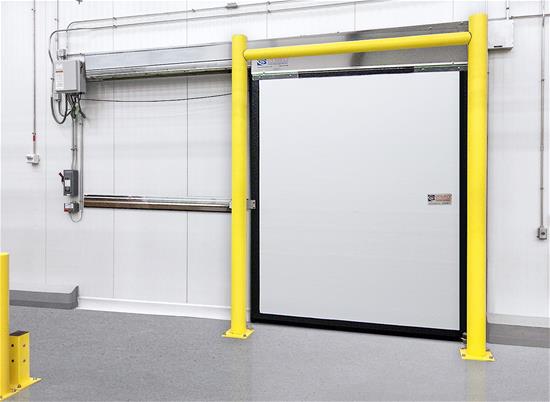
The hum of forklifts, the constant movement of goods, and the relentless need to maintain strict temperatures define the world of cold storage. When just a few extra seconds at an open door can mean lost energy and compromised product quality, every operational detail matters. So how did one major facility crack the code for smoother, safer, and more cost-effective operations? The answer hinged on a pivotal upgrade: high-speed warehouse doors.
Challenges Facing Major Cold Storage Facilities
Operational Bottlenecks in High-Traffic Environments
Cold storage facilities often operate around the clock, with trucks arriving and departing, employees moving products between zones, and machinery navigating constrained aisles. Traditional doors, slow to open and close, become unintentional bottlenecks. Each time a forklift waits for a sluggish door, productivity drops. Worse, every lingering open door turns into a literal hole in the facility’s environmental defenses.
Energy Efficiency Concerns with Traditional Doors
Energy is the lifeblood of any cold storage operation, but it is also a cost center that demands constant attention. Standard doors linger open, leaking precious cold air and forcing refrigeration systems to work overtime. These short, frequent temperature spikes add up, draining the bottom line and jeopardizing compliance with storage requirements.
Maintaining Temperature Control and Safety Standards
Cold storage is more than just keeping things cold. Regulatory bodies demand precise temperature control and strict adherence to safety standards. With traditional doors, the risks multiply: fluctuating temperatures, condensation on floors, and compromised goods. The stakes are high, and so are the consequences of even minor lapses.
Evaluating Door Solutions for Cold Storage Needs
Key Features Required in Cold Storage Doors
A cold storage facility requires doors that do more than just separate spaces. Rapid cycling speed, airtight sealing, high impact resistance, and reliable safety sensors are non-negotiable. The ideal door operates smoothly, minimizes maintenance, and integrates with existing workflow and automation systems.
Comparing Traditional Doors vs. High-Speed Warehouse Doors
When placed side by side, the difference is stark:
| Feature | Traditional Doors | High-Speed Warehouse Doors |
|——————————|————————–|————————————|
| Opening/Closing Speed | 10-20 seconds | 2-4 seconds |
| Temperature Loss | High | Minimal |
| Maintenance Needs | Moderate to High | Low |
| Impact Resistance | Prone to damage | Designed for frequent impacts |
| Workflow Disruption | Frequent | Rare |
Importance of Durability and Impact Resistance
A door that cannot withstand the daily knocks from pallets and forklifts will quickly become a liability. High-speed warehouse doors, especially those constructed with resilient materials like reinforced rubber, are engineered for these conditions.
How High-Speed Warehouse Doors Transform Efficiency
Rapid Opening and Closing to Minimize Workflow Interruptions
Every second counts in a high-volume facility. High-speed doors slash wait times, keeping traffic flowing and ensuring temperature zones remain secure. The result is not just faster operations but also less frustration for staff on the ground.
Enhancing Environmental Control and Energy Savings
By closing in as little as two seconds, these doors create a real-time barrier, preserving the integrity of cold zones. Facilities report significant reductions in energy consumption as compressors cycle less often and temperature deviations become rare events.
Safety Improvements and Compliance Benefits
Safety sensors and automatic reversing features reduce the risk of employee injuries and equipment damage. Rapid cycling doors also make it easier to comply with food safety and workplace regulations, thanks to more stable temperature control and fewer contamination points.
Case Study: Implementation at a Major Cold Storage Facility
Assessing Facility-Specific Challenges and Requirements
One large cold storage operator faced rising energy costs, workflow slowdowns, and a troubling uptick in door repairs. Their challenge was clear: find a door solution that addressed all three pain points without disrupting daily operations.
Selecting the Right High-Speed Door Model
After evaluating several options, facility managers opted for Door Doctor high-speed warehouse doors, drawn by their reputation for durability, safety, and ease of integration. The ability to tailor door size and controls to specific zones sealed the decision.
Installation Process and Overcoming Initial Hurdles
The biggest initial concern was downtime during installation. However, the modular design and experienced installation team meant most doors were swapped with minimal disruption. Staff training followed, ensuring everyone understood the new safety features and controls.
Measuring the Impact Post-Installation
Quantitative Improvements in Operational Efficiency
In the months following installation, average door cycle times dropped by over 60%. Forklift waiting times were slashed, and the facility processed more shipments per shift.
Energy Consumption Reductions and Cost Savings
Electricity bills reflected a dramatic change: refrigeration energy usage dropped by nearly 20%. Fewer temperature spikes meant less product spoilage and more predictable operations.
Employee and Equipment Safety Outcomes
Door-related injuries and equipment repairs both declined. Staff feedback highlighted smoother workflows and a safer environment, especially during high-traffic periods.
Best Practices for Maintaining High-Speed Doors in Cold Storage
Routine inspection is key: check seals, test sensors, and address minor wear before it escalates. Preventative maintenance, cleaning tracks, lubricating moving parts, and calibrating controls, can extend door lifespans and reduce emergency calls. When issues do arise, partnering with professional service providers saves time and hassle.
Actionable Steps for Facilities Considering High-Speed Doors
– Start with a thorough needs assessment: map out high-traffic areas, bottlenecks, and temperature-sensitive zones.
– Choose a supplier that offers customized solutions and proven expertise in cold storage environments.
– Plan installation during low-traffic periods, and schedule comprehensive staff training to maximize the benefits from day one.
Future Trends in Cold Storage Facility Efficiency
Automation is on the rise, and the next wave of high-speed doors will feature smart integrations with warehouse management systems. Expect advances in door materials, improved insulation, and even more sustainable cold chain solutions, all designed to help facilities do more with less energy and less risk. Efficiency, it turns out, is a door that never stops opening.


